Skip to main navigation menu Skip to main content Skip to site footer

Volume 13, No. 2

Published August 22, 2022

Articles

  1. Global Perspectives and Experiences of Community Psychologists for the Promotion of Social Change and the Construction of Radical Solidarities

    In this special issue we seek to document and learn from exemplars from around the world of interventions and other forms of applied work in organisational, community, and everyday social settings that are aimed at producing social change and changing oppressive social and cultural realities. This introduction presents the colonial origins of oppression and strategies for building social change based on radical solidarity. Colonialism, violence, and social inequality are interconnected. We realize that it is urgent to generate solitarily social change to transform these historical and transnational realities of oppression. Social change is realized through the praxis developed in historically deprived community contexts, respecting individuals' cultural and identity characteristics. Radical solidarity is necessary to question possible practices of colonial tutelage of communities. Likewise, praxis for social change must be developed creatively at the various levels of action and respect the intersectional trajectories of groups and individuals. We present diverse praxis experiences for social change in different contexts and levels of action developed by community psychologists, seeking to build a network of radical solidarity focused on dismantling colonial power.
  2. Doing ethical research together: A communitarian toolkit for ethical research beyond borders

    The toolkit for ethical research developed out of a research project that focused on establishing place-based, community-centred best practice in grand challenges-related research ethics, integrity and conduct. We held 5 roundtable events at The University of Edinburgh drawing together more than 200 researchers from 30 countries and more than 60 discipline areas. These conversations highlighted that we needed a clarifying worldview to support place-based, community-centred, ethical action at every stage of the research journey. In response, we created a toolkit - accessible and practical material to guide people involved in complex community-based research. This toolkit explores an ethical worldview for research and provides practical guidance and questions to consider at every stage of the research journey, from developing an ethical research question through to being accountable for the legacy of your research long after the project has concluded.

  3. Fortaleciendo el vínculo universidad-comunidad: Buenas prácticas y material de apoyo para el Aprendizaje Servicio

    El fortalecimiento del vínculo universidad-comunidad es un desafío pendiente para la psicología comunitaria. Para avanzar en esta dirección, sistematizamos prácticas asociadas al vínculo entre estudiantes, equipos docentes, socios comunitarios, comunidades, agencias intermediarias (entre la universidad y socios comunitarios), y grupos de estudiantes. Esto lo hicimos en el contexto de dos cursos sobre diagnóstico e intervención comunitaria que utilizan el método de Aprendizaje Servicio. Desde un enfoque cualitativo, realizamos un grupo focal con seis estudiantes, y entrevistas semiestructuradas con cuatro integrantes de los equipos docentes y cinco socios comunitarios. Para el análisis de los datos utilizamos los procedimientos de la Teoría Fundamentada y llevamos a cabo análisis descriptivo. Como resultados, describimos aspectos relevantes y buenas prácticas asociadas a los vínculos entre estos agentes, a partir de lo cual desarrollamos un material de apoyo innovador para favorecer estos vínculos y así potenciar el trabajo entre universidad y comunidad. Éste consistió en una guía de buenas prácticas, un vídeo tutorial para los socios comunitarios y una presentación para ser utilizada por los equipos docentes en clases. Finalmente, concluimos destacando cómo la formalización de los vínculos entre los agentes involucrados en el Aprendizaje Servicio puede favorecer, tanto la formación integral del estudiantado, así como los servicios ofrecidos a las comunidades. Además, discutimos los aportes de la psicología comunitaria para potenciar el vínculo entre universidad y comunidad en el contexto actual, desde los principios de participación, colaboración, pertinencia local, autonomía, aprendizaje activo, flexibilidad, pensamiento crítico y vocación social.

  4. Enlazando experiencias comunitarias importantes a la formación académica en Psicología Social

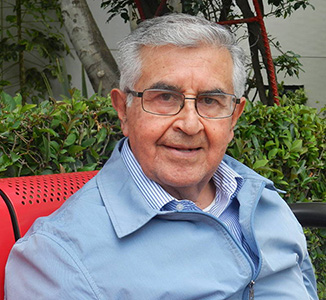
    Resumen - Es un privilegio para un psicólogo comunitario haber estado involucrado durante una larga trayectoria académica (50 años) a ambos el entrenamiento de psicólogos y 3 experiencias mexicanas importantes de solidaridad: el entrenamiento de maestros rurales, una experiencia comunitaria de 15 años viviendo con una población indígena, y participando en algunas acciones de la Rebeldía Zapatista. Esto me permitió ser consiente de las limitaciones reales de las aproximaciones académicas profesionales tratando de resolver problemas reales del mundo, aún con investigación multidisciplinaria y programas de intervención esto también me hizo interesarme en el enriquecimiento de fructíferas iniciativas acerca del compromiso y dedicación de gente capaz y valerosa participando en tareas sociales de tejer esperanza. El propósito de esta presentación oral es comunicar los aprendizajes que yo he reunido a lo largo de mis días cómo académico y como activista. He sido un maestro y un profesor. Estuve trabajando durante mis actividades profesionales tempranas como un maestro de escuela. Me preparé para ello en Escuelas Normales de formación de maestros. Completé mis estudios pedagógicos estudiando psicología en la Universidad Nacional Autónoma de México y la especialidad de Psicología Social y Personal en la Universidad Cornell en Ithaca, Nueva York. Vida y trabajo me fueron llevando de la Psicología Social a la Psicología Comunitaria y a actividades interdisciplinarias en entornos comunitarios. El destino y opciones vitales orientaron mi compromiso para ir más allá de los límites de la academia y tratar de enfrentar la necesidad de considerar las realidades sociales de México, mi país, una región clave en el mundo que sufre las situaciones más difíciles de un mundo perturbado: las injusticias políticas, económicas, sociales y culturales de los tiempos y lugares donde la humanidad confronta su futuro. He estado trabajando en las fronteras entre el mundo académico y experiencias de solidaridad tratando de tejer esperanza y ligando sabiduría, humildad y confianza.


    Abstract - It is a privilege for a community psychologist to have been involved for a long academic career (50 years) in both the training of psychologists and 3 important Mexican experiences of solidarity: the training of rural teachers, a community experience of 15 years living with an indigenous population , and participating in some actions of the Zapatista Rebellion. This allowed me to be aware of the real limitations of professional academic approaches trying to solve real world problems, even with multidisciplinary research and intervention programs. It also made me interested in the enrichment of fruitful initiatives about the commitment and dedication of capable people and courageous participating in social tasks of weaving hope. The purpose of this oral presentation is to communicate the learnings that I have gathered throughout my days as an academic and as an activist. I have been a teacher and a professor. I was working during my early professional activities as a school teacher. I prepared for it in Teacher Training Normal Schools. I completed my pedagogical studies studying psychology at the National Autonomous University of Mexico and specializing in Social and Personal Psychology at Cornell University in Ithaca, New York. Life and work took me from Social Psychology to Community Psychology and interdisciplinary activities in community settings. Fate and vital choices guided my commitment to go beyond the limits of the academy and try to face the need to consider the social realities of Mexico, my country, a key region in the world that suffers the most difficult situations in a world disturbed: the political, economic, social and cultural injustices of the times and places where humanity confronts its future. I have been working on the borders between the academic world and experiences of solidarity trying to weave hope and linking wisdom, humility and trust.

  5. Proceso de transformación comunitaria a través de las artes escénicas en dos escenarios comunitarios en Puerto Rico

    Las artes comunitarias tienen la capacidad de generar procesos significativos de transformación en los distintos niveles de intervención psicosocial (individual, grupal, comunitario, institucional, político, cultural e ideológico). En este trabajo, analizamos los procesos de transformación comunitaria producto de la participación en proyectos comunitarios basados en artes escénicas. Con el objetivo de obtener una perspectiva crítica, comparamos el proceso de transformación en dos tipos de comunidades: una geográfica (proyecto de vivienda pública) y una institucional (escuela alternativa basadas en artes). Los hallazgos en la comunidad geográfica evidenciaron un proceso de transformación social-comunitaria a partir de: cambios en la percepción del arte como ‘mero adorno’, reconocimiento de su función protectora-preventiva; desarrollo de empowerment individual y colectivo, de redes sociales y de capital social; cambios estructurales e impacto en los sistemas sociales educativo y familiar. Los hallazgos en la comunidad institucional incluyeron: transformaciones cognitivas sobre prejuicios y estereotipos sociales, aumento del interés de los/as familiares por las capacidades y logros de los/as participantes del arte, transformaciones institucionales y logros estéticos significativos. La participación comprometida y a largo plazo en las artes escénicas generó importantes puentes de solidaridad; mitigó disputas heredadas que reproducían violencias y las transformó en acciones cooperativas y en un sentido de familia. Las artes escénicas promovieron un nuevo sentido de identidad y pertenencia al involucrar y comprometer a diferentes sectores de la comunidad en un objetivo común. El carácter comunitario que adquirieron las artes escénicas fue una herramienta crucial para el restablecimiento de relaciones y el desarrollo de nuevos vínculos comunitarios.

  6. Hopes and fears for the future of different local communities

    Community psychology theorists underline the importance of fostering community empowerment (Rappaport, 1981). However, to become empowered, a community needs to envision a better future (Francescato, 2009; 2017). The aim of this study was to investigate the perception of the future of their Community of people resident in the city center of Rome, in peripheral areas of Rome and small towns of the metropolitan area of the Capital, analyzing what they fear most for their Community and what they desire mainly for the future of their Community, through Community Profiling. A collective reflection on hopes and possibilities provides opportunities to build a sustainable future community. A total of 147 communities were involved in the research, 49% from the City Centre of Rome, 27% from the Suburban areas of Roma, and 24% from small towns of the metropolitan area. Our research was based on the Community Profiling methodology (Francescato, Tomai & Ghirelli, 2002). The community profiling has a multidisciplinary approach since it integrates tools from different disciplines. In this study, we focused on the analysis of the future profile. Specifically, we analyzed how people feel about the future of their community, their main anxieties and hopes, comparing the different communities. Results were analyzed considering the seven profiles of the community profiling methodology (territorial, demographic, economic, service, institutional, anthropological, and psychological). The desires for the future most mentioned regarded territorial aspects for people living in the Centre of  Rome,  economic factors for people living in small towns, and services for people of peripheral areas. In all three communities, fears focused primarily territorial and psychological aspects.

  7. Catalytic Framework: Intersectional Analysis for Community Engagement

    The Community Engagement Centre (CEC) has been active across a range of diverse urban and rural populations throughout Pakistan and works closely with marginalised communities.

    The collective nature of Pakistani culture and its social inequities has required the CEC to recognize the intersections that shape contexts and situations, to promote local ownership, empower communities to identify and utilize existing resources for sustainable change, and improve health outcomes. Through an immersive community engagement (CE) strategy, CEC utilises participatory tools to collect stories from communities to understand their lived experiences, barriers and enablers to access, and the dynamics of power that influence these.

    To understand this complex relationship, a Catalytic Framework that examined the intersections within communities’ narratives was developed. Preliminary review of community narratives collected as part of programmatic operations yielded four significant elements: (1) unique, individual circumstances, (2) aspects of identity, (3) types of discrimination (if present), and (4) larger structures that reinforce exclusion (or enforce inclusion). A unique feature identified within the process of CE was the role of ‘catalysts’ – one or many people who may have transformative potential at any of these levels due to their influence, active facilitation, or agency.

    This novel framework enables an understanding of the threads of experience and identifying the elements and structures that impact lives of Pakistan’s diverse population. It works by recognizing the visible intersections of class, identity, gender, and power, as well as questioning what remains unarticulated, and thus promotes meaningful community engagement across different cultures and fields.

  8. Hidden hunger in a land of plenty: Food insecurity in Aotearoa New Zealand

    Aotearoa New Zealand is a relatively wealthy, food-producing nation. Yet, increasing numbers of the populace are experiencing food insecurity, hidden hunger, and material hardship. More than an individual issue, ensuring food security requires consideration of the social and cultural components of growing, preparing, and consuming food and meals. Access to sufficient food to eat and the surrounding social practices are central to human flourishing. This article documents three research exemplars that challenge dominant global representations of Aotearoa New Zealand as an idyllic haven. Each case explores the invisibility and downplaying of hunger and poverty that occur within this ‘land of plenty’. In describing and reflecting our respective research projects we illustrate how broader socio-political and economic factors play out materially in the everyday lives of marginalised groups by restricting access to food. Given that community psychologists have values which necessitate a critical praxis, we have the responsibility to challenge power differences and practices based on historical perceptions that serve to maintain inequities.

  9. The Kanaeokana Network: Reflecting on Five Years of Envisioning a Hawaiian Education System and Aloha ʻĀina Leaders

    How might a network approach be used to address issues and goals seemingly impossible for individuals to tackle alone? Established to increase momentum and synergy among multiple organizations through mutual work and shared goals, the Kanaeokana network was forged five years ago and today demonstrates progress toward supportive infrastructure, cohesion and collective strength, member engagement, and reach beyond our primary Indigenous-serving base. Kanaeokana includes more than 80 Hawaiian language, culture, and ʻāina-based (place-based) organizations and schools (preschool through university level), collaborating to develop and strengthen a Native Hawaiian education system. The network’s underlying value of aloha ʻāina, or love of the land, involves a deeply rooted connection and commitment to place, people, and cultural practice. The network fosters cultural knowledge with a community focus and a global reach, notably produced in digital and nondigital spaces, both preceding the pandemic and in response to it. Kanaeokana works at the intersections of ʻōlelo Hawaiʻi (Hawaiian language), culture, advocacy, media, community engagement, and education, all toward the unified goal of developing and strengthening a Native Hawaiian education system. In this article, we reflect critically on Kanaeokana’s approach over the past five years, with a focus on network health, adaptability, and social change in practice.