Anurans of the Ventania Environmental Protection Area, Miracema, Rio de Janeiro, Brazil.
DOI:
https://doi.org/10.17161/randa.v33i1.22970Keywords:
Atlantic forest, biodiversity, inventory, anuran species, conservation, Environmental protection area, Phasmylla lisbellaAbstract
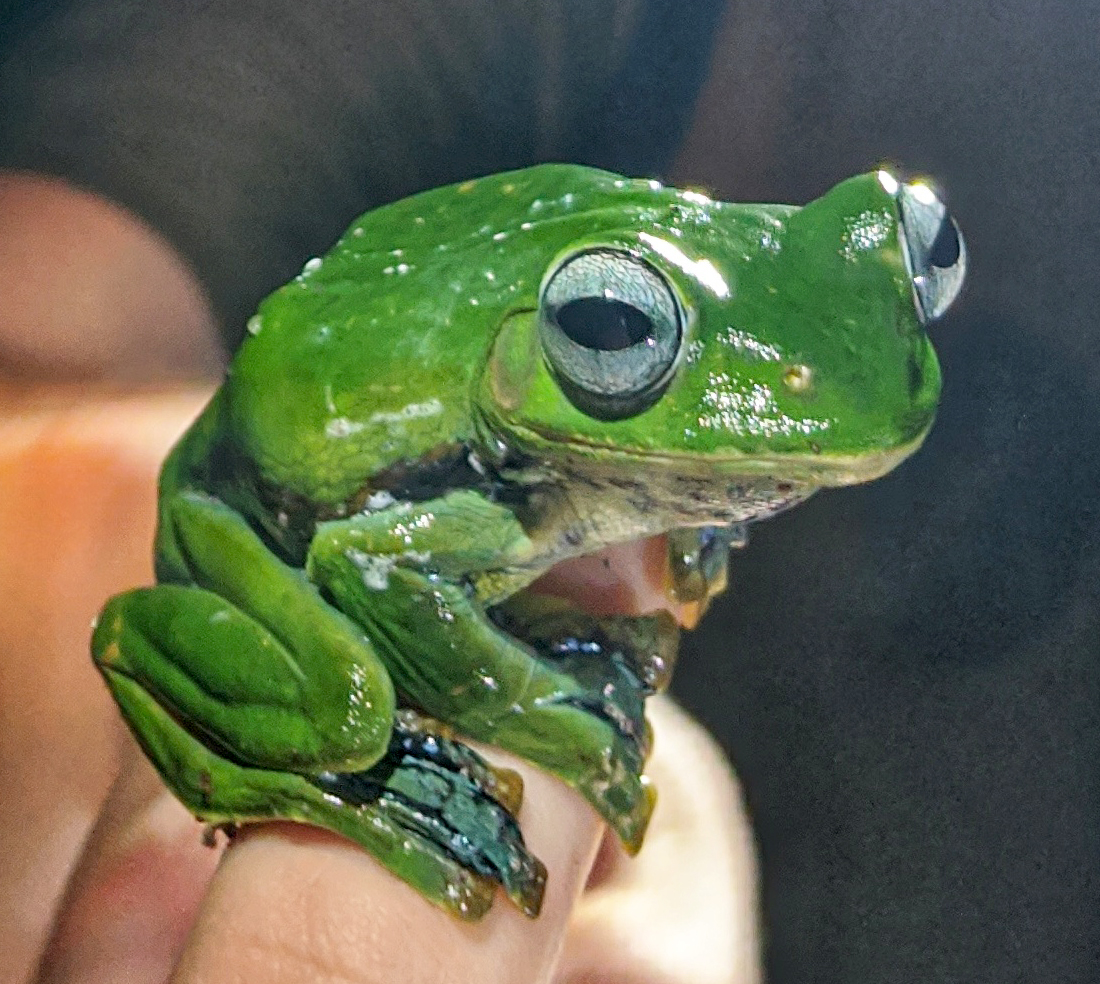
Wildlife inventories are crucial for understanding biodiversity, guiding conservation efforts, and assessing species' geographic distributions. This study presents the first comprehensive inventory of anuran species in the Ventania Environmental Protection Area, located in the Municipality of Miracema, State of Rio de Janeiro, Brazil. The area, containing some of the largest remaining forest fragments in the region, faces intense anthropogenic pressure, including deforestation, fires, and agricultural encroachment. Using three sampling methods—visual encounter surveys, audio recordings, and pitfall traps, we recorded 31 anuran species, predominantly from the Hylidae family (16 species). Notably, Phasmahyla lisbella, an endangered species, was documented within the study area. Our findings underscore the importance of preserving the last forest remnants in the region, which provide vital habitats for both generalist and specialist anuran species. The data contributes to the knowledge of the region’s biodiversity and highlights the need for further studies and conservation initiatives to mitigate the impact of human activities on these vulnerable ecosystems.
Downloads
Published
Issue
Section
License
Copyright (c) 2026 Elvis Almeida Pereira Silva, Lucas Custodio Lomba da Rocha, Tatiely da Silva Candido, Érica da Silva Santiago

This work is licensed under a Creative Commons Attribution-NonCommercial 4.0 International License.
Copyright is held by the authors. Articles in R&A are made available under a Creative Commons Attribution-NonCommercial 4.0 International license.